Confusing Word Pairs

absents or absence

Absents or Absence: Which Word Is Correct and When Should You Use It?

English can be confusing, especially when two words look similar but have different meanings. One common example is “absents or absence.” Many students, writers, employees, and English learners search for these words because they are unsure which one is correct in a sentence. Is it “absence from work” or “absents from work”? Can both words

Absents or Absence: Which Word Is Correct and When Should You Use It? Read More »

tale or tail

Tale or Tail: What’s the Difference and Which Word Should You Use?

English has many words that sound the same but have completely different meanings. One common example is “tale or tail.” These two words are pronounced alike, making them homophones, but they refer to very different things. Because they sound identical, many students, writers, bloggers, and English learners search online to understand which word is correct

Tale or Tail: What’s the Difference and Which Word Should You Use? Read More »

keeped or kept

Keeped or Kept: Which Word Is Correct in English?

Have you ever written a sentence like “I keeped the receipt” and wondered if it was correct? Many English learners and even native speakers search for “keeped or kept” because the two words look similar, but only one follows standard English grammar rules. This confusion happens because most English verbs form the past tense by

Keeped or Kept: Which Word Is Correct in English? Read More »

Crises or Crisis

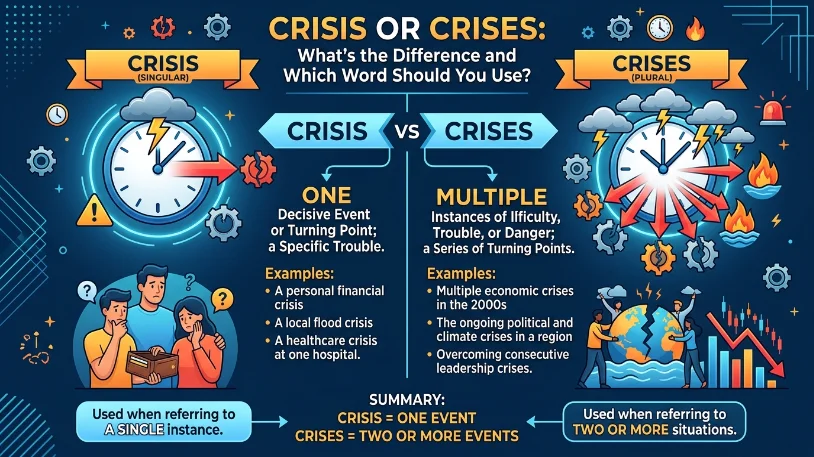
Crises or Crisis: What’s the Difference and Which Word Should You Use?

Many people get confused between “crises” and “crisis.” The two words look almost the same, but they do not mean exactly the same thing. This small spelling difference changes whether you are talking about one problem or many problems. People search for “crises or crisis” because they want to use the correct word in emails,

Crises or Crisis: What’s the Difference and Which Word Should You Use? Read More »

Everybody’s or Everybodies

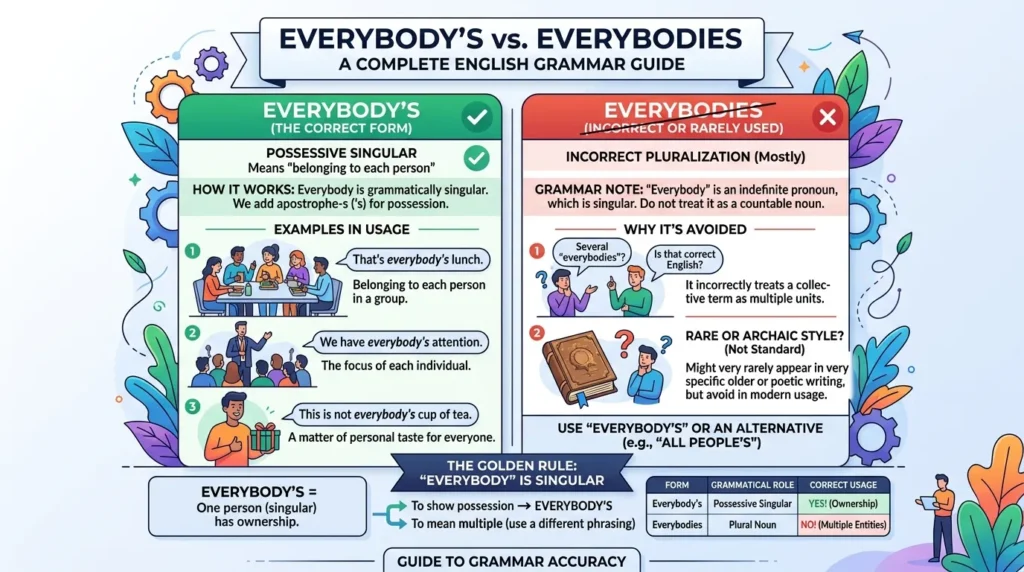
“Everybody’s or Everybodies” – Meaning, Difference, Usage, and Complete English Grammar Guide

The keyword “everybody’s or everybodies” is a common grammar confusion for English learners. Many people are unsure how to correctly show possession when using the word “everybody.” This confusion usually appears in writing sentences like “everybody’s opinion” or incorrect forms like “everybodies opinion.” The problem happens because English learners try to apply normal plural rules.

“Everybody’s or Everybodies” – Meaning, Difference, Usage, and Complete English Grammar Guide Read More »

Swum or Swam

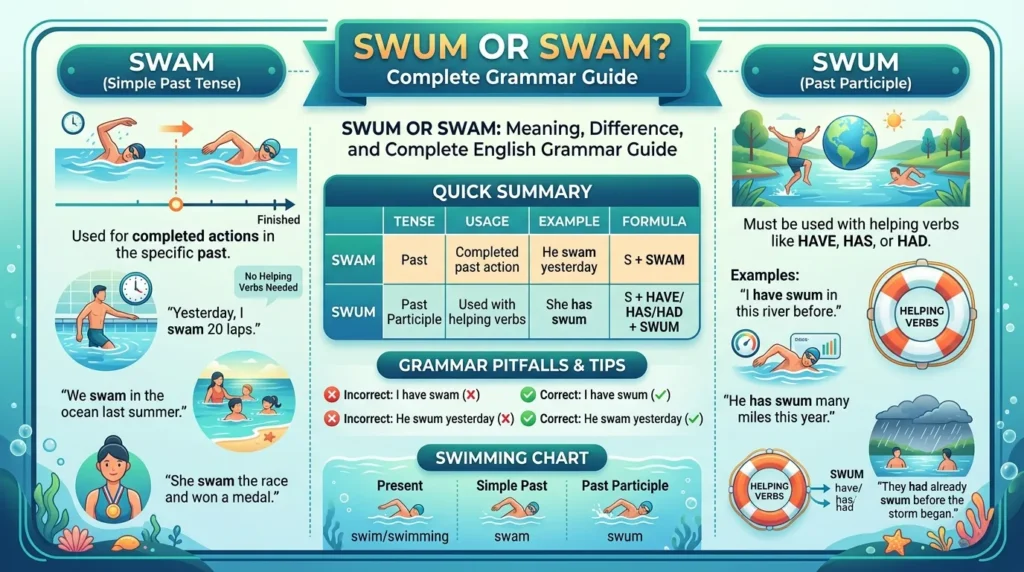
“Swum or Swam” – Meaning, Difference, Usage, and Complete English Grammar Guide

The keyword “swum or swam” is one of the most common grammar questions in English. Many learners get confused about which form is correct when talking about swimming in the past. This confusion usually appears in exams, writing tasks, and daily conversation because both words look similar but are used in different grammatical situations. The

“Swum or Swam” – Meaning, Difference, Usage, and Complete English Grammar Guide Read More »

Unbalanced or Imbalanced

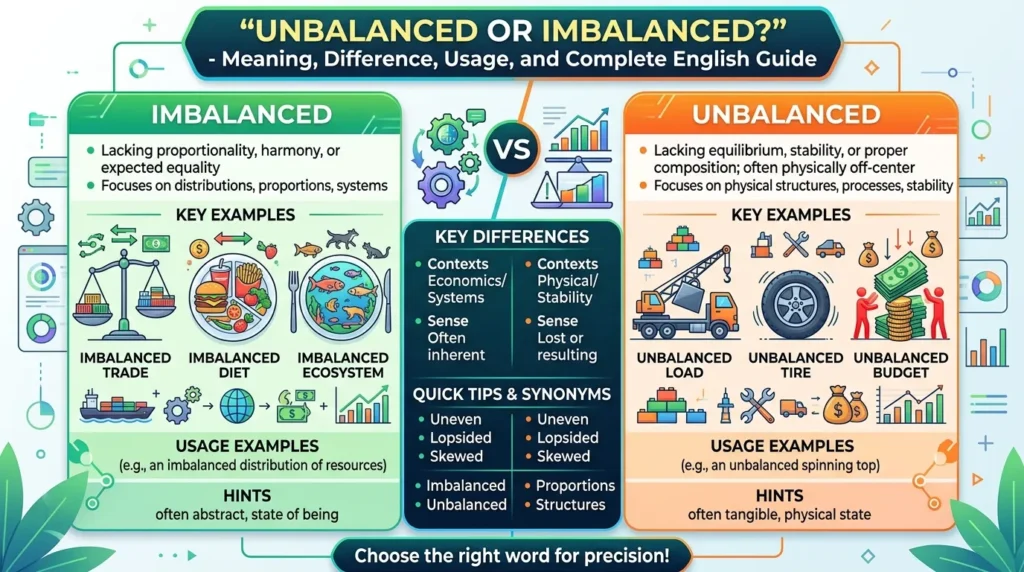
“Unbalanced or Imbalanced” – Meaning, Difference, Usage, and Complete English Guide

The keyword “unbalanced or imbalanced” is often searched by English learners, writers, and professionals who want to understand whether there is a real difference between these two similar words. At first glance, both words seem interchangeable, but subtle differences in usage, tone, and context make them slightly distinct in modern English. Many people get confused

“Unbalanced or Imbalanced” – Meaning, Difference, Usage, and Complete English Guide Read More »

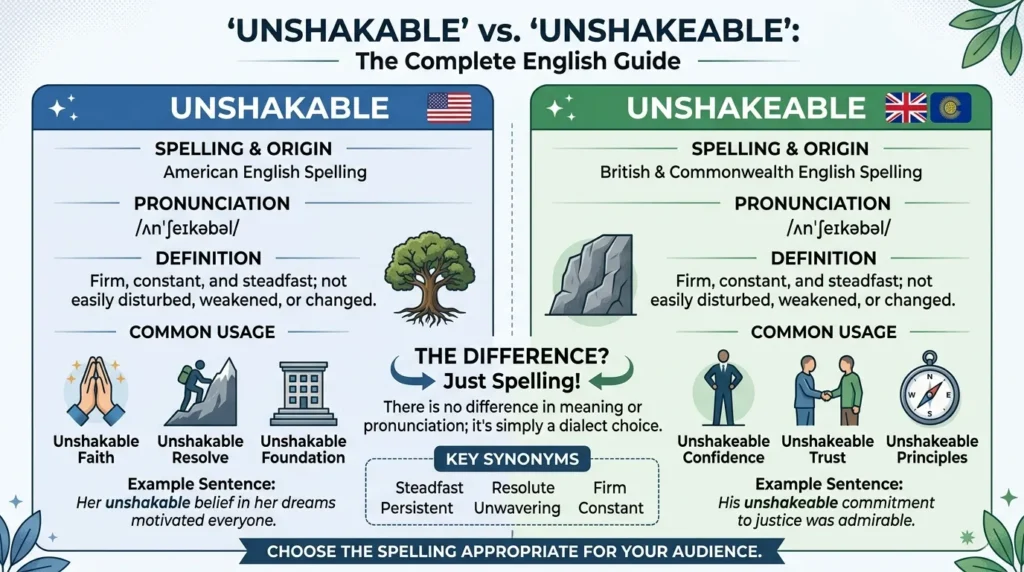
Unshakable or Unshakeable

“Unshakable or Unshakeable” – Meaning, Difference, Usage, and Complete English Guide

The keyword “unshakable or unshakeable” is commonly searched by English learners, writers, and professionals who want to know which spelling is correct. Both versions look almost identical, but only one detail — the letter “e” — creates confusion. People often wonder if there is a difference in meaning or if one spelling is wrong. This

“Unshakable or Unshakeable” – Meaning, Difference, Usage, and Complete English Guide Read More »

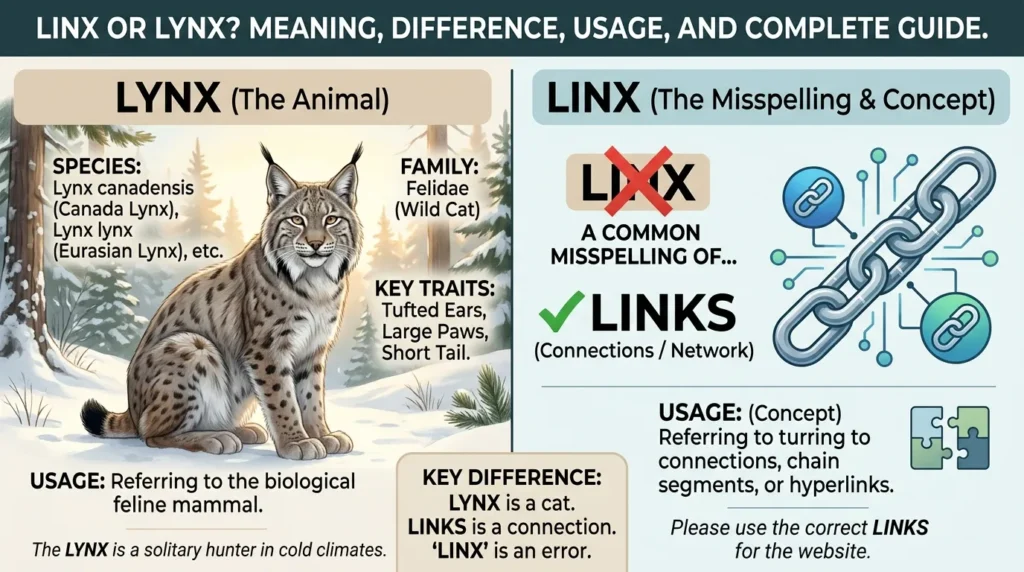
linx or lynx

“linx or lynx” – Meaning, Difference, Usage, and Complete Guide

The keyword “linx or lynx” is commonly searched because many people are confused about the correct spelling of a word they see in technology, branding, or animal names. At first glance, both spellings look similar, but only one is correct in standard English. This confusion usually happens because “linx” appears in company names, while “lynx”

“linx or lynx” – Meaning, Difference, Usage, and Complete Guide Read More »

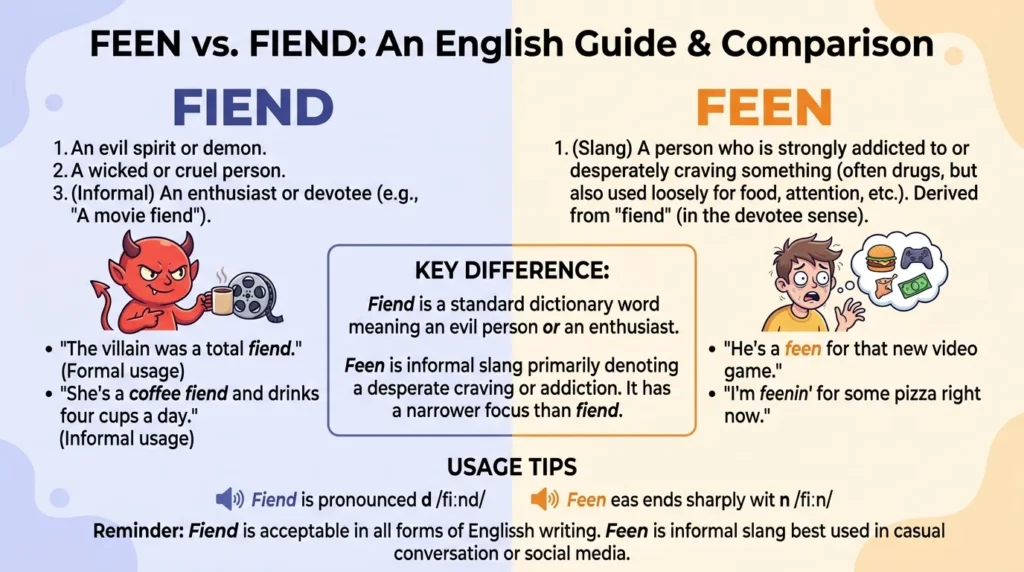
feen or fiend

“feen or fiend” – Meaning, Difference, Usage, and Complete English Guide

The keyword “feen or fiend” is often searched because people hear these words in songs, movies, and social media but are unsure about their correct spelling and meaning. These two words sound somewhat similar in casual pronunciation, which creates confusion, especially for English learners and non-native speakers. In modern usage, “fiend” is the correct English

“feen or fiend” – Meaning, Difference, Usage, and Complete English Guide Read More »

Scroll to Top