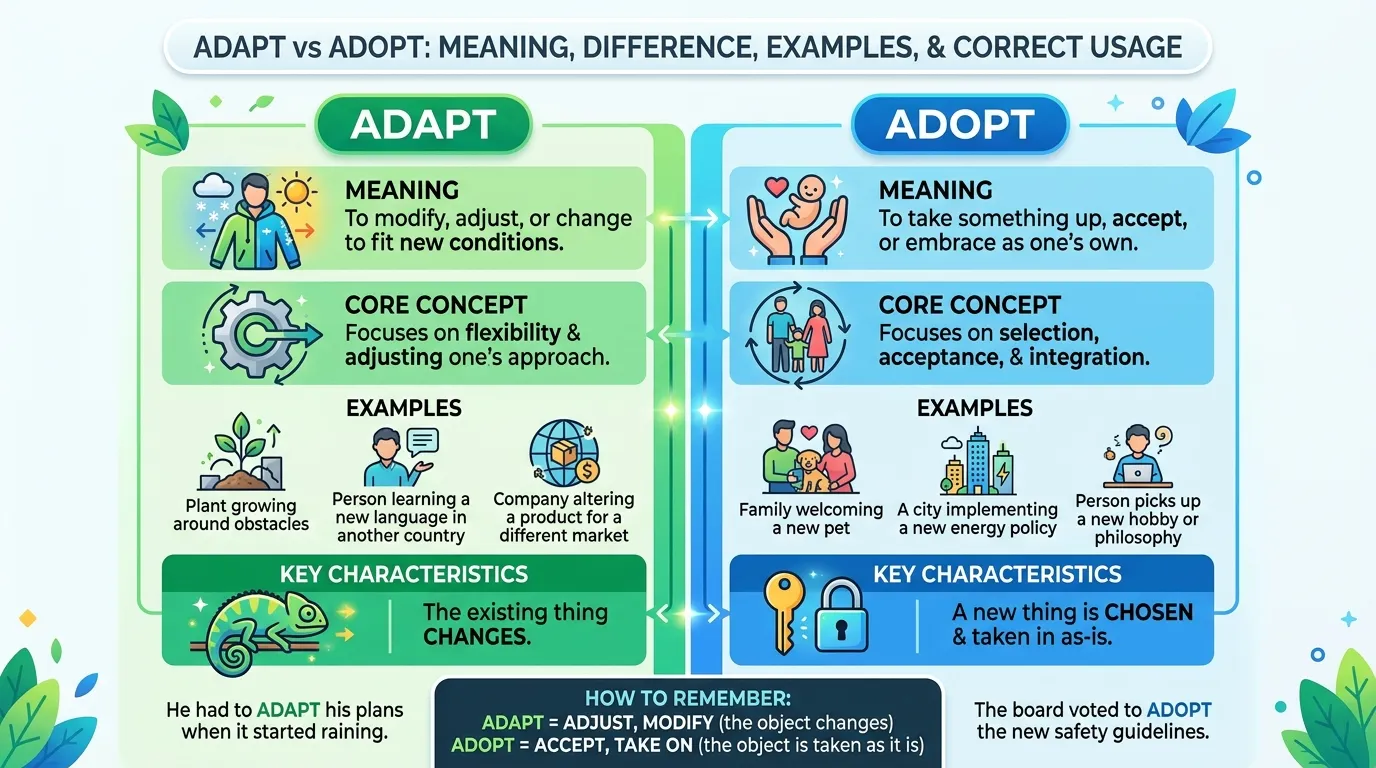
adapt vs adopt

Adapt vs Adopt: Meaning, Difference, Examples, and Correct Usage

Adapt vs adopt is a common English word confusion. The two words look and sound similar, but they have different meanings. Both are verbs, and both can be used when talking about change, ideas, methods, or behavior. However, they describe two different kinds of change. Adapt means to change something so it works better in […]

Adapt vs Adopt: Meaning, Difference, Examples, and Correct Usage Read More »

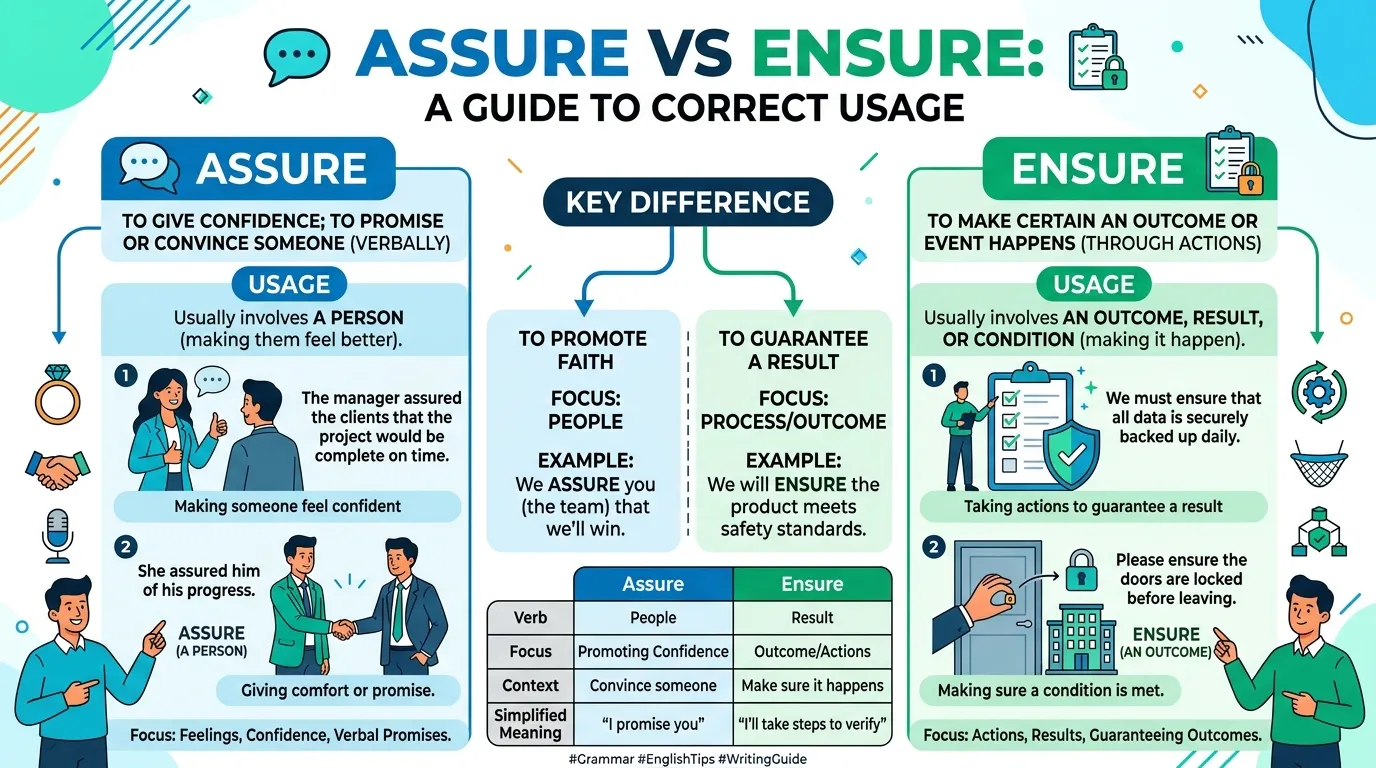
assure vs ensure

Assure vs Ensure: Meaning, Difference, Examples, and Correct Usage

Assure vs ensure is a common English word confusion. The two words look and sound similar, and both are connected with making something certain. However, they are used in different ways. Knowing the difference is important for clear writing, especially in emails, business documents, academic work, and professional communication. Assure usually means to tell someone

Assure vs Ensure: Meaning, Difference, Examples, and Correct Usage Read More »

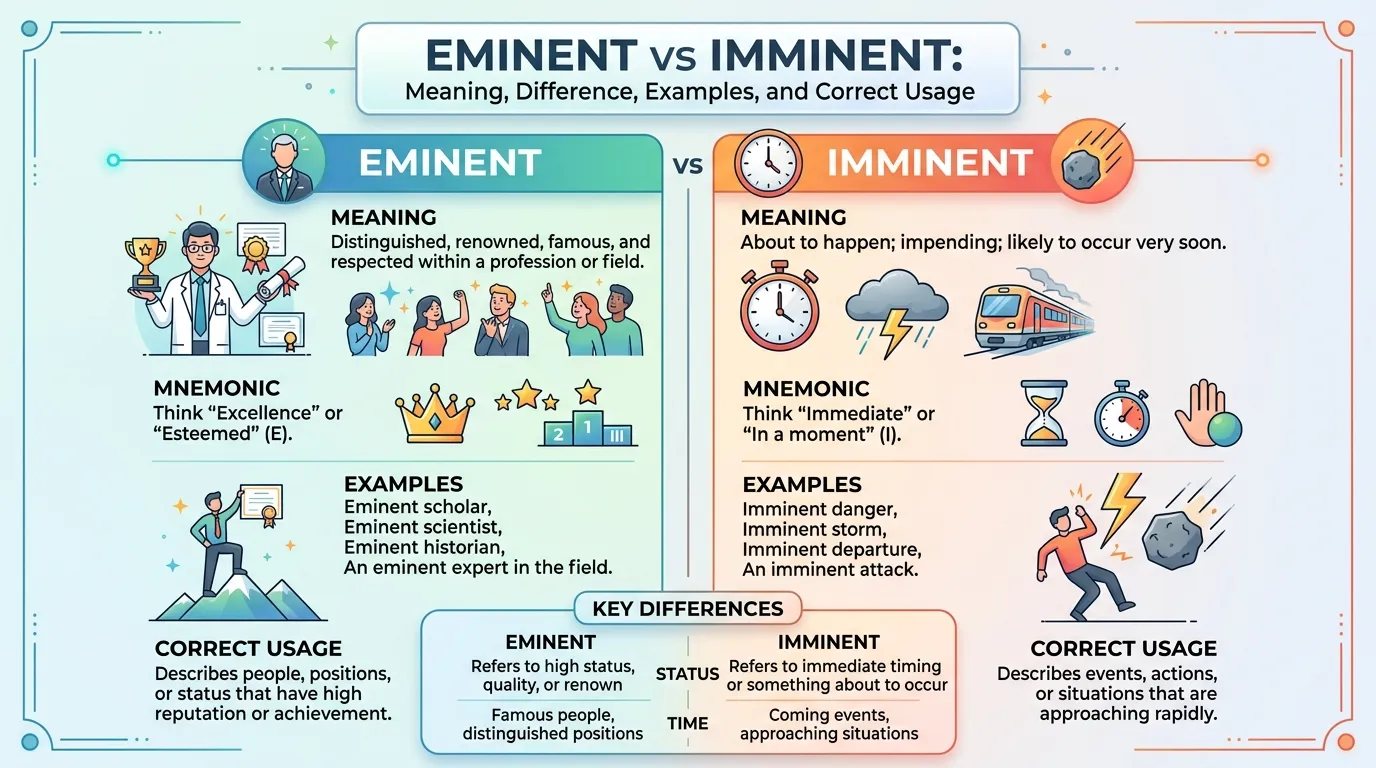
eminent vs imminent

Eminent vs Imminent: Meaning, Difference, Examples, and Correct Usage

Eminent vs imminent is a common English word confusion. The two words look and sound very similar, but their meanings are completely different. A single letter can change the meaning of a sentence, so knowing when to use each word is important for clear and professional writing. Eminent means famous, respected, or important, especially because

Eminent vs Imminent: Meaning, Difference, Examples, and Correct Usage Read More »

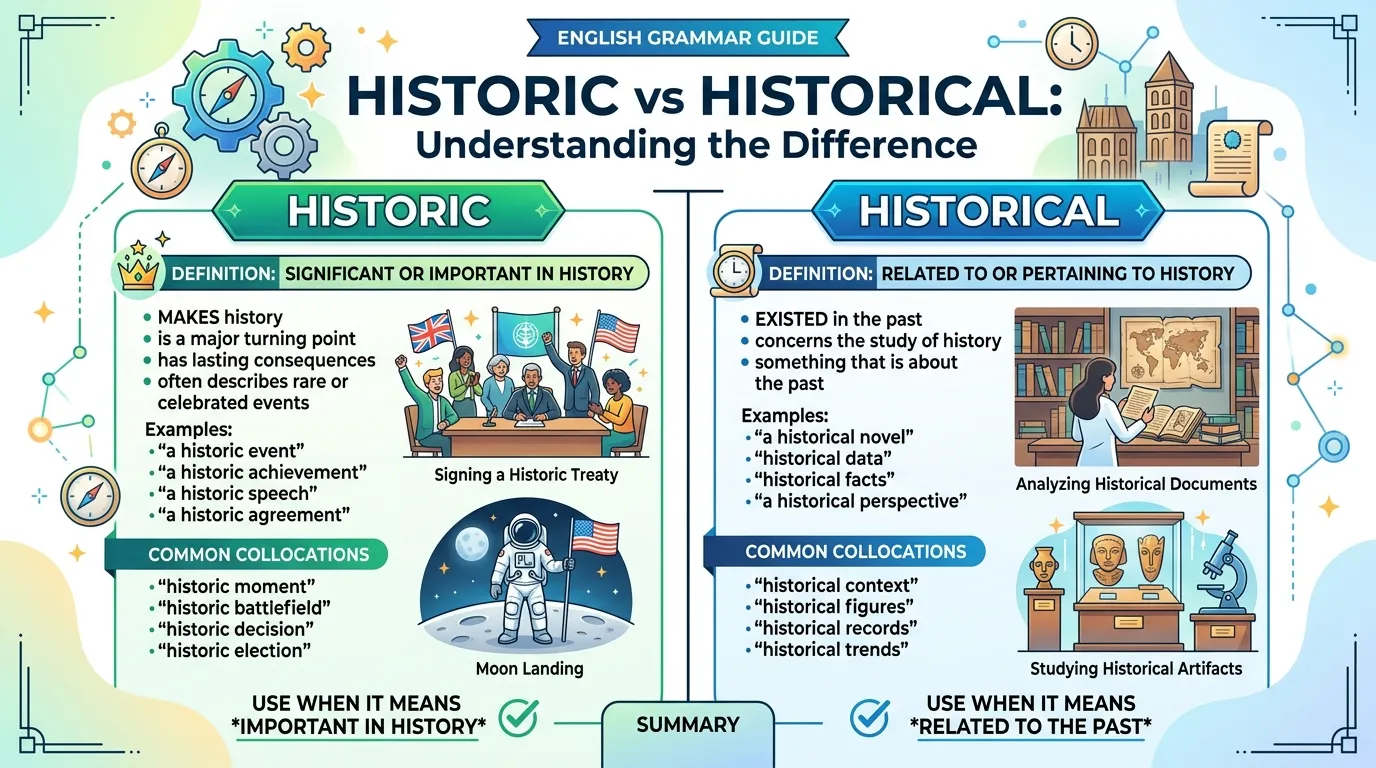
historic vs historical

Historic vs Historical: Meaning, Difference, Examples, and Correct Usage

Historic vs historical is a common English word choice problem. Both words come from the same root, and both relate to history, but they do not always mean the same thing. The difference is small, yet it can change the tone and meaning of a sentence. Historic usually describes something that is important or significant

Historic vs Historical: Meaning, Difference, Examples, and Correct Usage Read More »

passed vs past

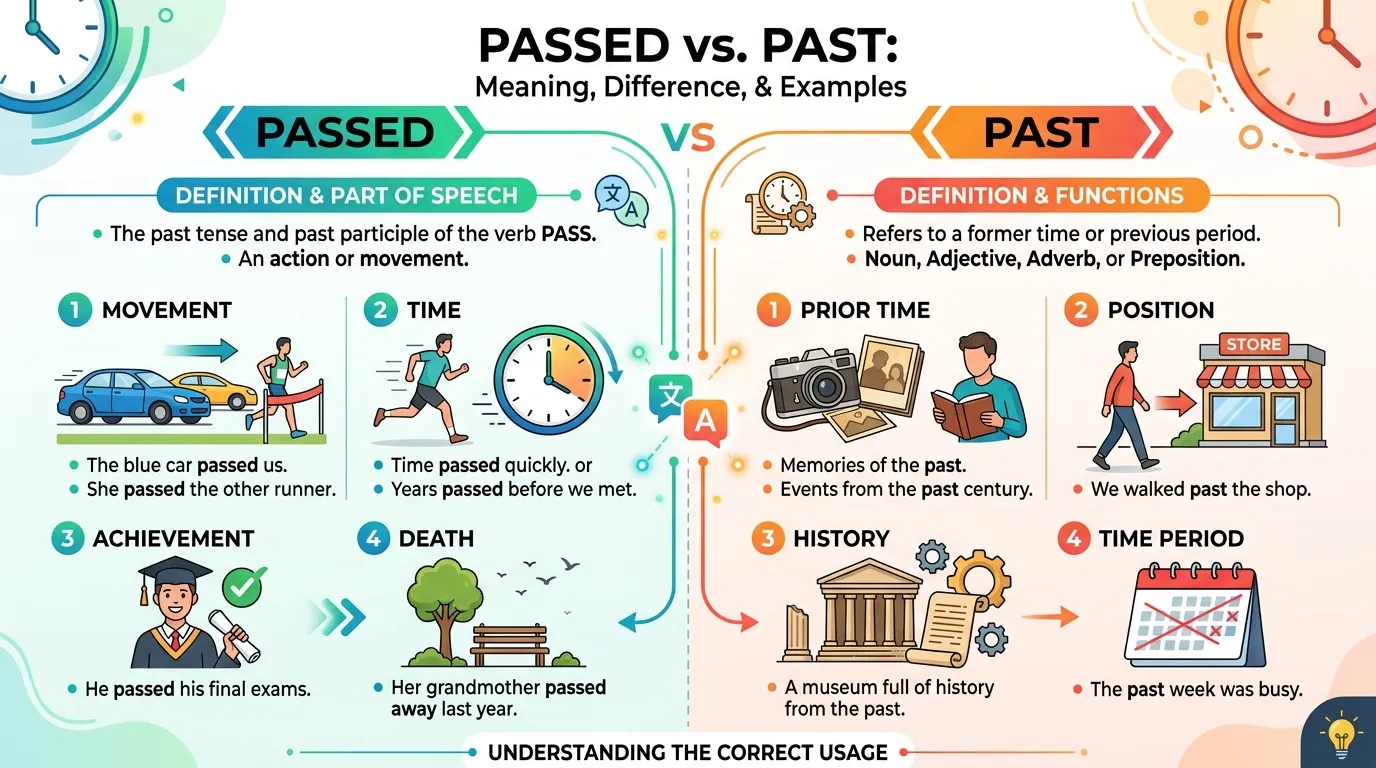
Passed vs Past: Meaning, Difference, Examples, and Correct Usage

Passed vs past is a common English word confusion. The two words sound very similar, but they have different meanings and grammatical roles. Using the wrong one can change the meaning of a sentence, especially in emails, essays, reports, and everyday writing. Passed is usually the past tense of the verb “pass.” It describes an

Passed vs Past: Meaning, Difference, Examples, and Correct Usage Read More »

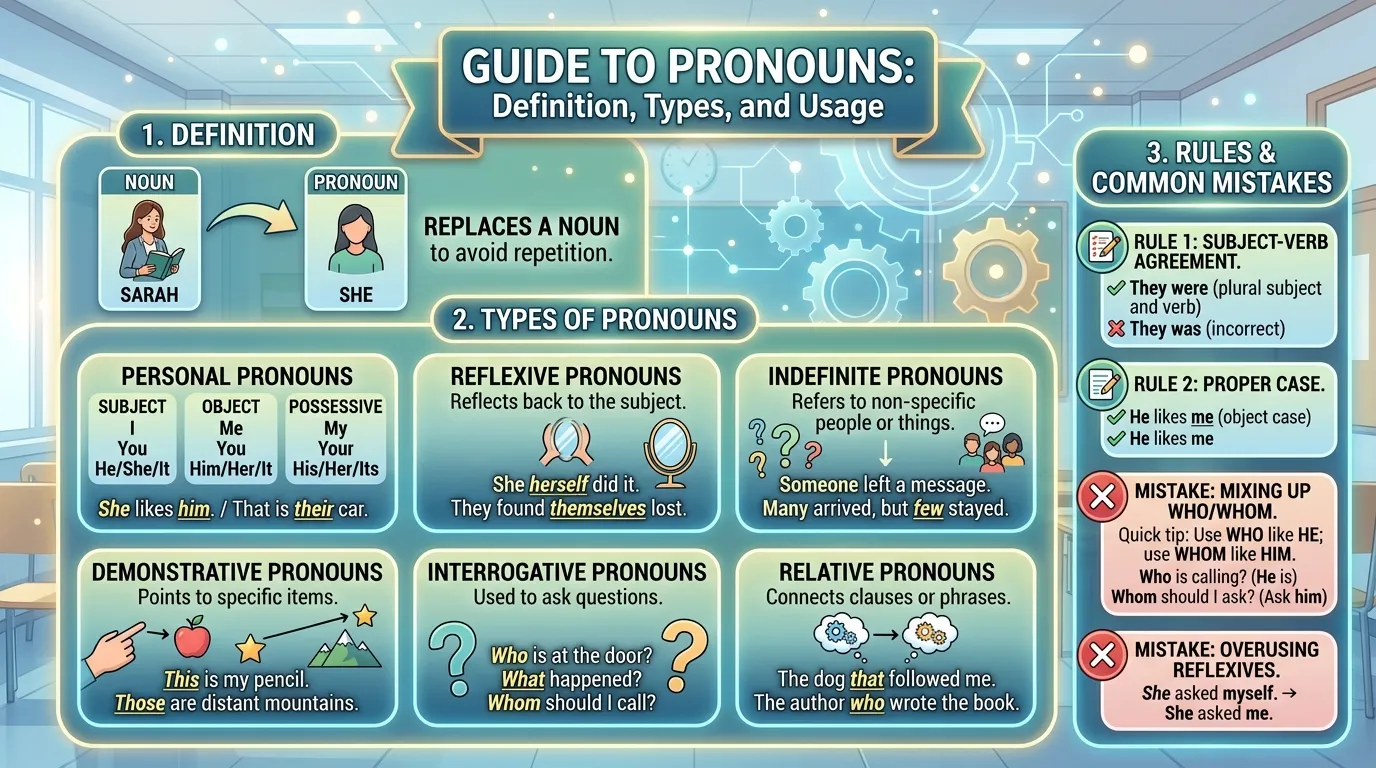
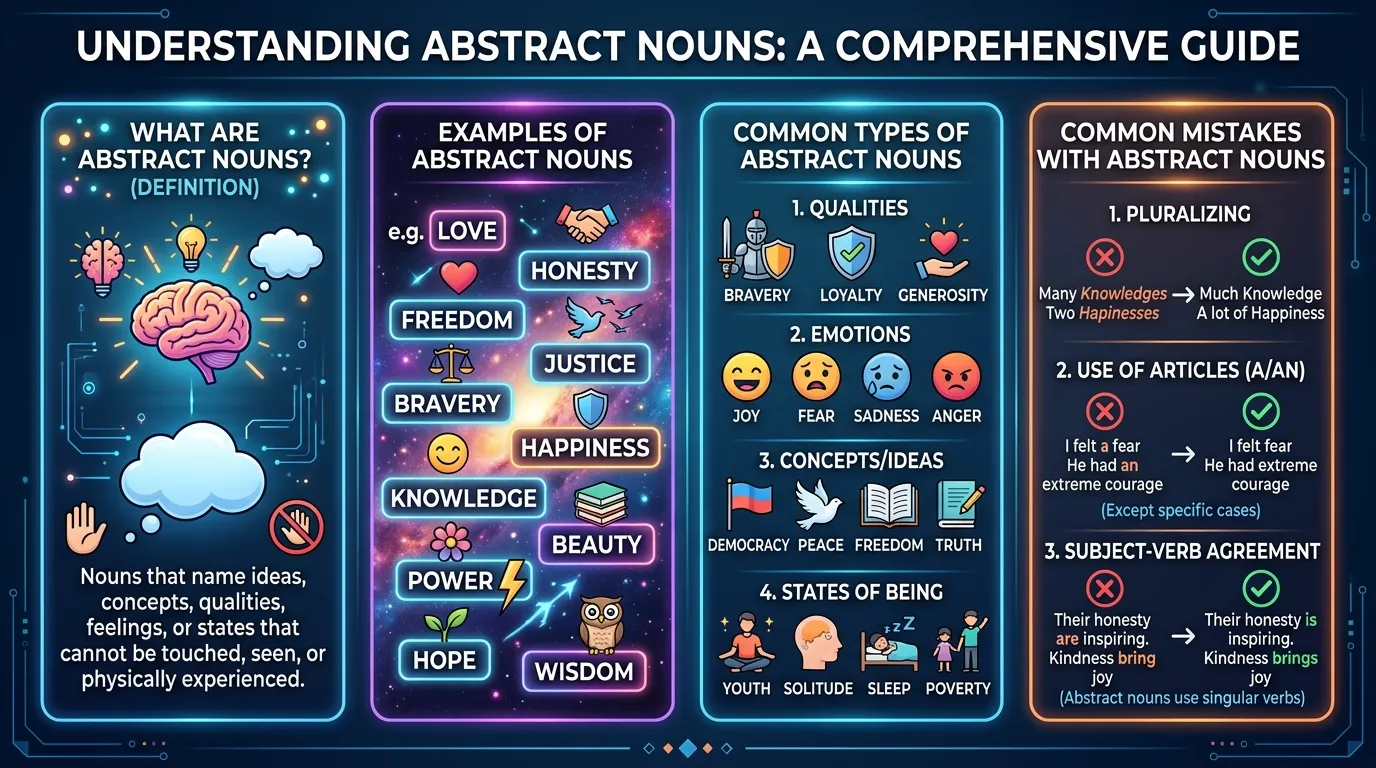
Types of Nouns

Types of Nouns: Complete Guide With Examples and Easy Grammar Rules

Nouns are one of the most important parts of English grammar, but not all nouns work in the same way. Types of nouns help us understand how words name people, places, things, animals, ideas, groups, and substances. A word like teacher names a person, while London names a specific place. Happiness names a feeling, and

Types of Nouns: Complete Guide With Examples and Easy Grammar Rules Read More »

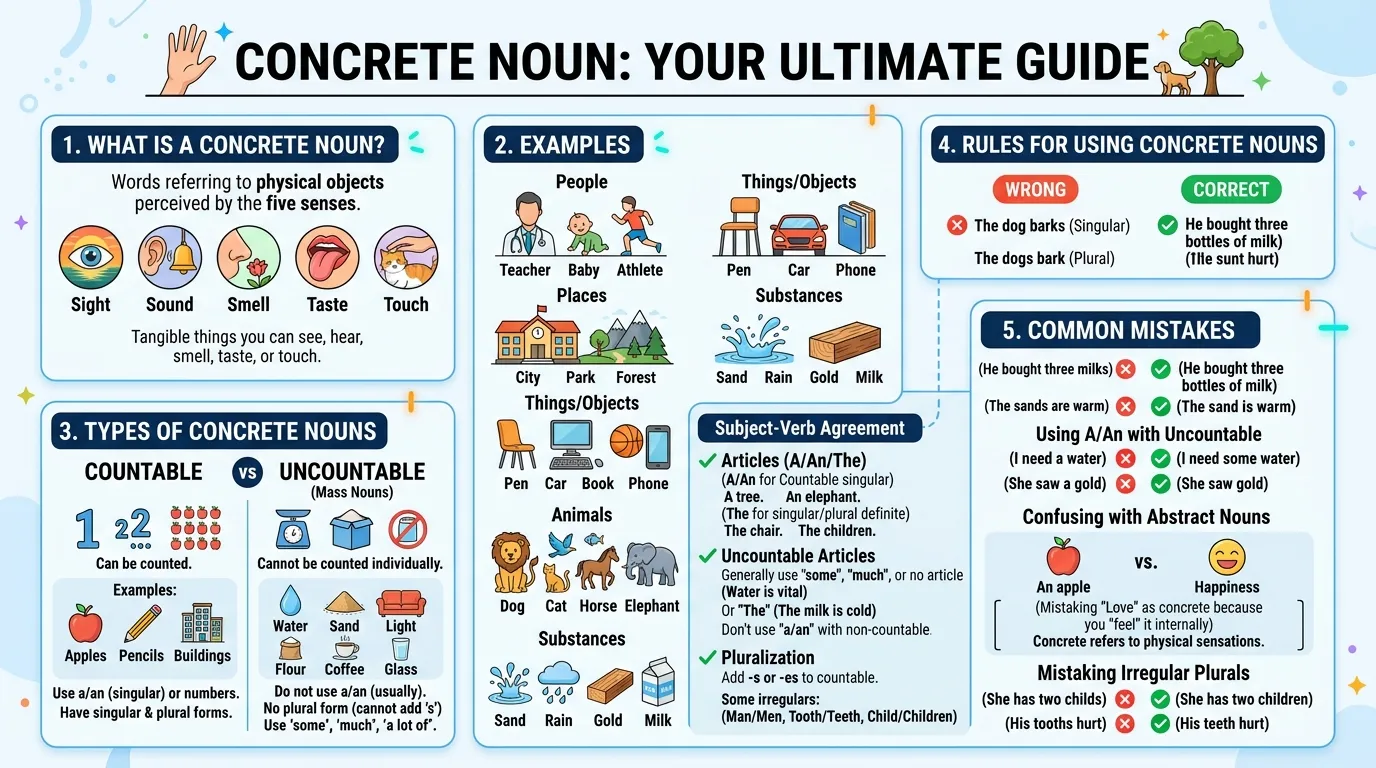
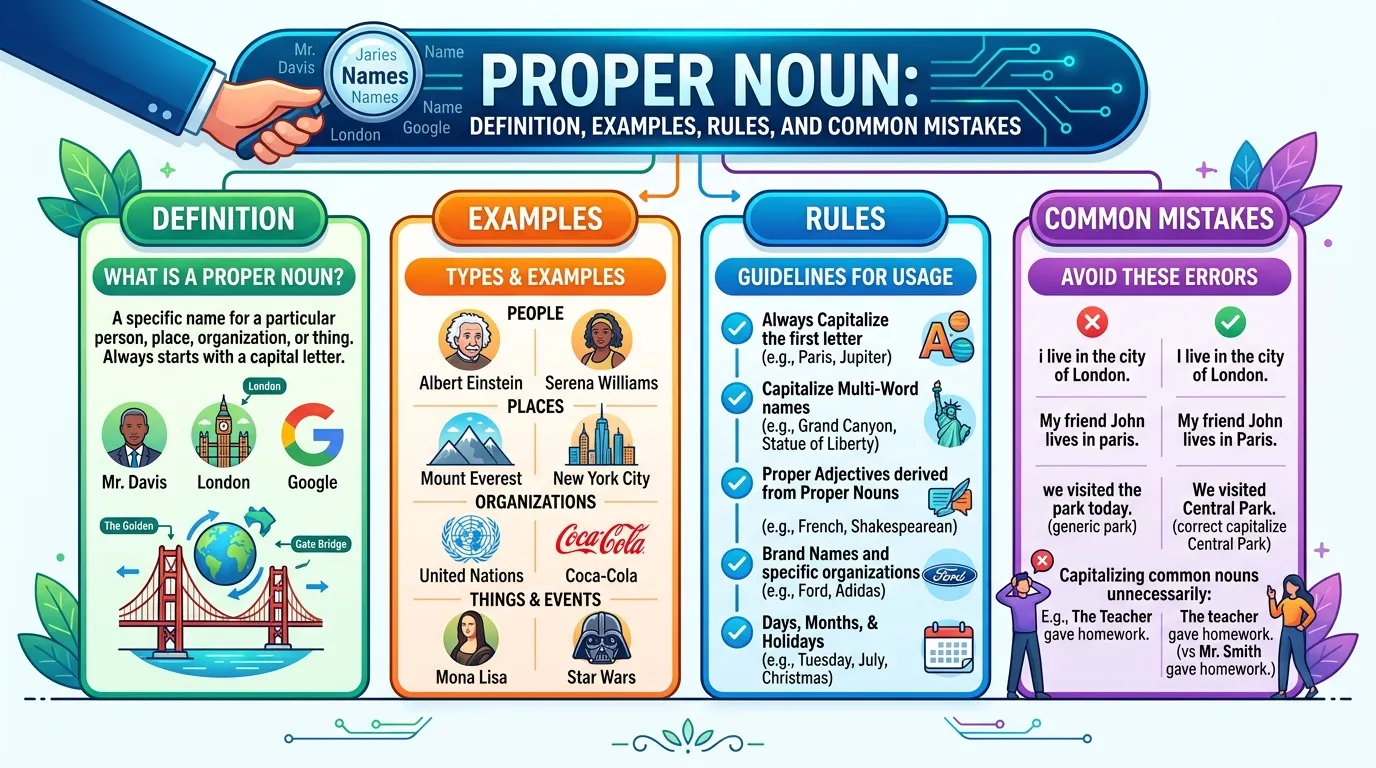
Common Noun

Common Noun: Definition, Examples, Types, Rules, and Easy Grammar Guide

A common noun is one of the first grammar ideas students learn, yet it can be easy to confuse with a proper noun. The difference is simple once you know what to look for. Words such as teacher, city, country, book, and dog are common nouns. They name people, places, animals, or things in a

Common Noun: Definition, Examples, Types, Rules, and Easy Grammar Guide Read More »

moral vs morale

Moral vs Morale: Meaning, Difference, Examples, and Correct Usage

Moral vs morale is a common English word confusion because the two words look almost identical but have very different meanings. They are also pronounced differently, which can make the confusion even greater when people hear them in conversation. Moral usually relates to right and wrong behavior, values, or principles. For example, “The story has

Moral vs Morale: Meaning, Difference, Examples, and Correct Usage Read More »

practice vs practise

Practice vs Practise: Meaning, Difference, Spelling, and Correct Usage

Practice vs practise is one of the most common spelling questions in English. The two words look almost the same and have the same basic connection to training, repeated activity, or professional work. The main difference is where the word is used and which form of English you are writing. In American English, practice is

Practice vs Practise: Meaning, Difference, Spelling, and Correct Usage Read More »